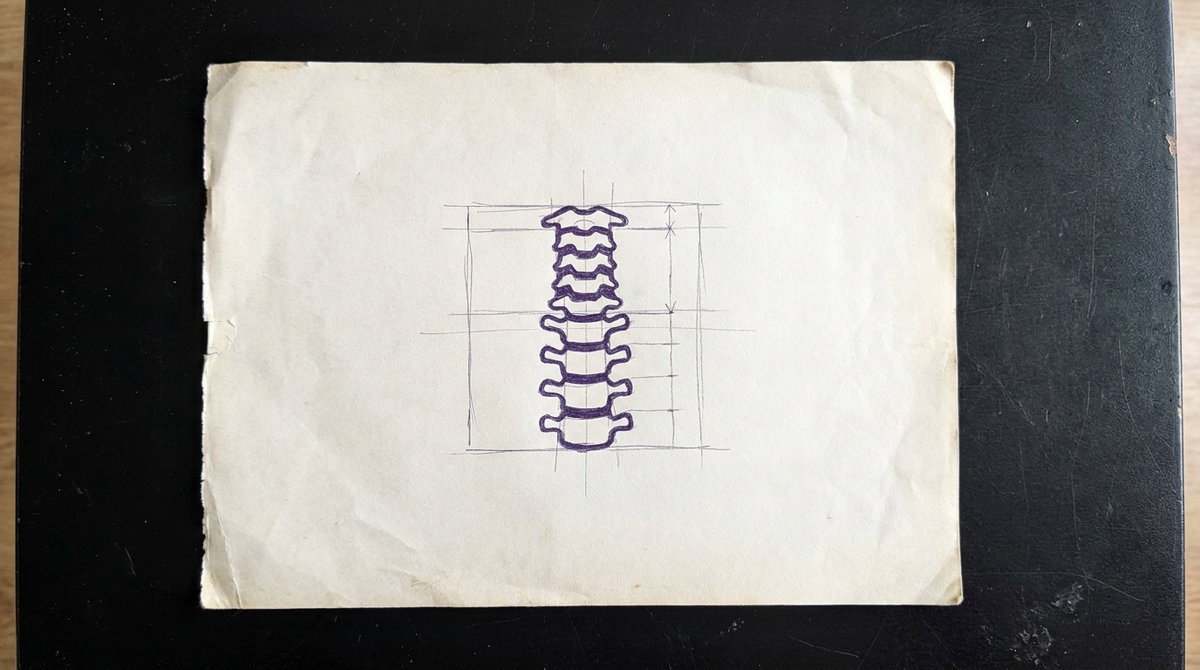
Pain in the neck and the thoracic spine—the section of the backbone located in the upper and middle back—affects the muscles, bones, and joints. These conditions are widespread and can alter how people manage everyday physical tasks. There is limited knowledge regarding how people with neck and thoracic pain experience their physical movement and capacity over time. There is also limited information about what helps or hinders changes in their physical abilities. Tracking these experiences across different periods supports patient-centred care, which is an approach to healthcare and research that tailors assessment and treatment to individual needs.
This study has two primary goals. The first is to examine how patients with neck and thoracic pain experience their physical functioning as time passes. The second is to examine what patients with neck and thoracic pain identify as supports or obstacles to their physical functioning over time.
To address these questions, researchers will use a longitudinal qualitative design, a method that collects descriptive, non-numerical information from participants across an extended period. The framework follows an approach called interpretive description developed by Thorne, working within a constructivist philosophy, which assumes that people create their own meaning from personal experiences.
Adults aged 18 years or older who have experienced neck or thoracic pain for at least three months can enroll in the study. The researchers will use purposive sampling, a technique where participants are selected deliberately to provide a diverse group across age, sex, and level of disability. Participants will complete semi-structured interviews, which are guided discussions that allow individuals to describe their experiences in detail. These interviews will take place at 3 months and 12 months after individuals enroll in the SPINA Spinal Rehabilitation Registry, a database tracking patients receiving spine care.
The interview responses will be evaluated using reflexive thematic analysis in an iterative manner, meaning researchers will review the text repeatedly in cycles to identify and interpret common patterns. To confirm the quality and trustworthiness of the research, the team will follow Tracy’s Big-Tent criteria, a recognized set of benchmarks for evaluating qualitative work.
The project received ethical approval from the Western University Health Science Research Ethics Board in Ontario, Canada, under application number 128384.
The resulting data will supply foundational knowledge for future studies on physical functioning. The information will also assist in creating physical measurement tools that support care and assessment focused on the specific needs of patients with neck and thoracic pain. The researchers will share their conclusions through peer-reviewed journal publications and through collaborative knowledge-sharing meetings with patient partners.